You may brush off chest pressure, short breath, or sudden tiredness as stress or age. Your body often sends early signals when something is wrong, and the heart is no exception.
Many people ignore these signs until the problem grows.
Yes, it could be your heart when you notice chest discomfort, pain in the arm, neck, jaw, or back, shortness of breath, nausea, cold sweats, or unusual fatigue. These signs can start mild or come and go, but they still matter.
Fast action protects your heart and your life.
We wrote this guide to help you spot warning signs, know when to get help, and understand how heart problems show up in daily life. You deserve clear facts so you can act with confidence and protect your health.
Key Takeaways
- Common symptoms can signal a heart problem even when they seem mild.
- Some signs need urgent care and should never be ignored.
- Healthy habits and regular care support long-term heart health.
Recognizing Warning Signs of a Cardiovascular Issue
We watch for specific warning signs of heart disease that often appear before a serious event. These signs include changes in chest comfort, breathing, heart rhythm, and body reactions like nausea or cold sweat.
Chest Pain and Discomfort
Chest pain or chest discomfort remains one of the most common signs of heart disease. Many people feel pressure, tightness, squeezing, or fullness in the center of the chest.
The feeling may last several minutes or come and go.
Pain does not always stay in the chest. It can spread to the arms, back, neck, jaw, or stomach.
Some people describe it as discomfort rather than sharp pain, which makes it easy to ignore.
Seek urgent care if chest symptoms:
- Start during rest or light activity
- Worsens over time
- Come with shortness of breath, nausea, or cold sweat
These patterns can signal heart attack symptoms and need fast medical care.
Shortness of Breath and Fatigue
Shortness of breath can occur with or without chest pain. Some people notice trouble breathing while walking, climbing stairs, or lying flat.
Others feel breathless at rest.
Fatigue often appears as unusual or extreme tiredness. It may feel sudden and out of proportion to the activity.
We see this more often in women, but it affects all adults.
Pay attention when fatigue or breath issues occur:
- Limit daily tasks
- Appear suddenly or worsen quickly
- Pair with chest discomfort or palpitations
These signs can point to heart disease or reduced blood flow to the heart.
Palpitations and Irregular Heartbeat
Heart palpitations feel like fluttering, pounding, racing, or skipped beats. An irregular heartbeat may start without warning and last for seconds or minutes.
Occasional palpitations can be harmless. Ongoing or frequent episodes raise concern, especially when they come with dizziness, chest pain, or shortness of breath.
Concerning rhythm changes, include:
- A fast or uneven pulse at rest
- Palpitations with lightheadedness
- Episodes that repeat or last longer
These signs of heart disease may reflect rhythm problems that need evaluation.
Nausea, Vomiting, and Cold Sweat
Nausea and vomiting can occur during heart attack symptoms, sometimes without chest pain. People may mistake these signs for stomach illness or stress.
A cold sweat often appears suddenly. The skin may feel clammy, pale, or cool.
This response signals stress on the heart and nervous system.
Watch closely if these symptoms:
- Start with chest discomfort or shortness of breath
- Appear without a clear cause
- Occur alongside fatigue or palpitations
These warning signs of heart disease require prompt medical attention.
Types of Cardiovascular Diseases and Their Symptoms
Heart and blood vessel problems show up in different ways. Some block blood flow, some disrupt heart rhythm, and others damage heart muscle or valves.
Knowing clear signs helps us act fast and lower risk.
Coronary Artery Disease and Angina
Coronary artery disease (CAD) happens when atherosclerosis narrows the arteries that feed the heart. Fatty plaque reduces blood flow and strains the heart muscle.
Many people feel no symptoms at first.
Angina signals CAD. It often feels like pressure, tightness, or burning in the chest.
Pain may spread to the arm, neck, jaw, or back. Shortness of breath and fatigue can follow.
Doctors may treat CAD with lifestyle changes and medicine. Some people need angioplasty with a stent to open the artery.
CAD can also worsen heart valve disease, cardiomyopathy, or lead to congestive heart failure.
Common signs
- Chest pain with activity
- Short breath
- Nausea or sweating
Heart Attack and Myocardial Infarction
A heart attack, also called a myocardial infarction, occurs when blood flow stops suddenly. A blocked artery starves the heart muscle of oxygen.
Damage can begin within minutes.
Chest pain often feels severe and lasts. It may spread to the arms, back, neck, or jaw.
Some people feel nausea, cold sweat, or dizziness instead.
Women and older adults may notice unusual fatigue or short breath.
A heart attack raises the risk of cardiac arrest and stroke. Stroke warning signs include face drooping, arm weakness, and trouble speaking.
Get help fast if symptoms appear
- Call emergency services
- Do not wait for pain to pass
Arrhythmias and Arrhythmia Symptoms
An arrhythmia means an irregular heart rate. The heart may beat too fast, too slow, or unevenly.
Some arrhythmias stay mild, while others turn dangerous.
Atrial fibrillation is a common type. It raises the risk of blood clots and stroke.
People may feel fluttering, pounding, or skipped beats.
Arrhythmia symptoms also include lightheadedness, chest discomfort, and fainting. Some cases relate to congenital heart defects or heart muscle disease.
Long‑term rhythm problems can weaken the heart and lead to congestive heart failure.
Watch for
- Rapid or uneven pulse
- Short breath
- Sudden weakness
When to Seek Emergency Care
Heart-related emergencies move fast and leave little time to wait. We urge immediate action when clear warning signs appear, even if symptoms seem mild or come and go.
Immediate Signs That Require Action
We treat the following symptoms as medical emergencies. Each one can signal a heart attack, stroke, or cardiac arrest.
Call for help right away if you notice:
- Chest pain or pressure that lasts more than a few minutes or returns.
- Pain spreading to the arm, back, neck, jaw, or stomach.
- Shortness of breath, with or without chest discomfort.
- Sudden sweating, nausea, or vomiting.
- Lightheadedness, fainting, or a rapid or uneven heartbeat.
- Unusual fatigue, especially in women.
Stroke warning signs need the same urgency. Watch for face drooping, arm weakness, or trouble speaking.
These symptoms often start suddenly and worsen quickly.
We never advise waiting to see if symptoms pass. Delays raise the risk of lasting damage or death.
Calling 911 and Emergency Response
We strongly recommend calling 911 instead of driving to the hospital. Emergency teams begin care as soon as they arrive.
Calling 911 matters because:
- Paramedics can start treatment on the spot.
- EMS teams handle cardiac arrest and dangerous heart rhythms.
- Hospitals prepare faster when an ambulance is on the way.
If a person collapses, becomes unresponsive, or stops breathing, treat it as cardiac arrest. Call 911 at once and begin CPR if trained.
We encourage action even when doubt exists. A fast response saves heart muscle, brain function, and lives.
Key Risk Factors for Cardiovascular Disease
Cardiovascular disease often develops from a mix of inherited traits, long-term health conditions, and daily habits. Many risk factors for heart disease build over time, but we can often reduce their impact with informed choices and proper care.
Family History and Genetics
Family history of heart disease plays a clear role in cardiovascular risk. If a parent or close relative had heart disease at a young age, our risk increases.
Genes can affect how our bodies handle cholesterol, blood pressure, and blood sugar.
We cannot change our genetics, but we can respond to them. Early screening matters when heart disease runs in the family.
Regular checks for high blood pressure and high cholesterol help spot problems sooner.
Shared family habits also matter. Diet, physical activity, and smoking patterns often pass from one generation to the next.
When we know our family history, we can make stronger choices to protect our hearts.
Chronic Health Conditions
Several long-term conditions raise the risk for cardiovascular disease. These conditions often interact and increase strain on the heart and blood vessels.
| Condition | Why It Matters |
| High blood pressure | Damages arteries and forces the heart to work harder |
| High cholesterol | Leads to plaque buildup that narrows arteries |
| Diabetes | Raises blood sugar that harms blood vessels |
| Obesity | Increases risk of diabetes, high blood pressure, and high cholesterol |
Many of these conditions show few symptoms at first. Routine blood tests and exams help us catch them early.
Managing these conditions with medical care and lifestyle changes lowers the chance of heart attack and stroke.
Lifestyle and Behavioral Risks
Daily habits strongly shape heart health. An unhealthy diet high in saturated fat, salt, and added sugar raises blood pressure and cholesterol.
Over time, this increases the risk of blocked arteries.
A sedentary lifestyle also harms the heart. Physical inactivity slows blood flow and makes weight gain more likely.
We reduce risk when we add regular physical activity, such as brisk walking, most days of the week.
Smoking and excess alcohol further damage blood vessels. When we focus on better food choices, steady movement, and healthy routines, we lower several risk factors for heart disease at the same time.
Diagnosing and Monitoring Cardiovascular Health
We use clear tests and regular follow-up to find heart problems early and track changes over time. Accurate diagnosis and steady monitoring guide safe treatment and reduce the risk of heart attack or stroke.
Screening and Diagnostic Tests
We start with tests that show how the heart beats, pumps, and responds to stress. An EKG (electrocardiogram) records the heart’s electrical signals and can reveal rhythm problems or past damage.
An echocardiogram uses sound waves to show heart size, valve function, and pumping strength.
A stress test checks blood flow while the heart works harder, often on a treadmill. If we need a closer look at blocked arteries, we may use cardiac catheterization.
This test maps blood flow and pressure inside the heart.
Common tests and what they show
| Test | What it checks |
| EKG | Heart rhythm and electrical activity |
| Echocardiogram | Structure, valves, and pumping |
| Stress test | Blood flow during activity |
| Cardiac catheterization | Artery blockages and pressure |
Blood tests also matter. They measure cholesterol, blood sugar, and markers tied to heart risk.
Ongoing Professional Evaluation
We monitor heart health with regular visits and repeat tests when needed. We track symptoms like chest pain, shortness of breath, or swelling.
We adjust care based on results, not guesses.
Medications play a key role. Nitroglycerin can relieve chest pain by improving blood flow.
For heart failure, we may use an ARNI to support pumping and lower strain. We watch for side effects and check labs to keep treatment safe.
We follow guidance from trusted groups like the American Heart Association. We also review lifestyle factors at each visit, including activity, diet, and tobacco use.
Consistent follow-up helps us catch changes early and act fast.
Prevention and Long-Term Heart Health
We protect heart health through daily choices and regular medical care. Consistent habits and early monitoring lower risk and support strong cardiovascular health over time.
Heart-Healthy Diet and Lifestyle Habits
We support heart disease prevention by choosing foods that protect blood vessels and control blood pressure. A heart-healthy diet focuses on fruits, vegetables, whole grains, fish, and healthy fats like olive oil.
We limit processed foods, excess salt, added sugar, and saturated fat. We also move our bodies often.
Most adults benefit from 30 minutes of moderate activity on most days, such as brisk walking or cycling. Physical activity helps manage weight, cholesterol, and blood sugar.
Other daily habits matter. We avoid smoking and limit alcohol.
We aim for 7–9 hours of sleep each night and manage stress with simple actions like stretching or deep breathing.
Regular Medical Checkups
We rely on routine medical visits to catch problems early, often before symptoms appear. Regular checkups help track blood pressure, cholesterol, blood sugar, and weight, which are key markers of heart health.
We encourage adults to schedule annual visits with a primary care provider. These visits allow us to review family history, lifestyle habits, and personal risk factors.
When needed, providers may recommend imaging, stress tests, or referrals to heart specialists. We also follow treatment plans closely.
Taking prescribed medications as directed and attending follow-up visits helps prevent complications.
Conclusion: Recognizing Symptoms Early Can Protect Your Health
Heart-related symptoms don’t always start dramatically. Chest pressure, shortness of breath, unusual fatigue, palpitations, nausea, or cold sweats can appear mildly at first, come and go, or feel like stress—but they may still signal a cardiovascular issue that needs attention. Knowing what these warning signs look like, which symptoms require emergency care, and how risk factors like high blood pressure, high cholesterol, diabetes, and smoking contribute over time can help you respond sooner and avoid preventable complications. The most important step is listening to your body and seeking evaluation early, especially when symptoms are new, persistent, or worsening.
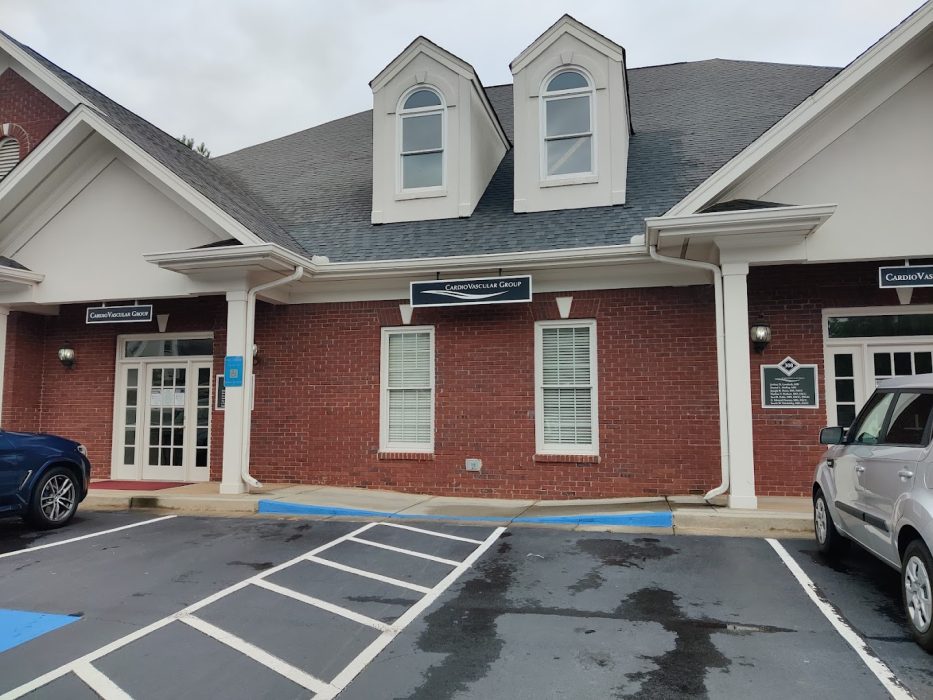
If you’re experiencing symptoms or want clarity about your cardiovascular risk, Cardiovascular Group (CVG Cares) offers advanced testing, expert guidance, and compassionate care tailored to your needs.