A fast or pounding heartbeat can feel scary, especially when it starts without warning. We often see people worry about what their heart is doing and whether it signals a real problem. An ECG gives clear answers by showing how your heart’s electrical systemworks in real time.
An ECG detects tachycardia by measuring how fast your heart beats and how steady that rhythm stays during the test. We place small patches on your skin to capture these signals, and the test takes only a few minutes. The results help us see if your heart rate runs too fast and why that may be happening.
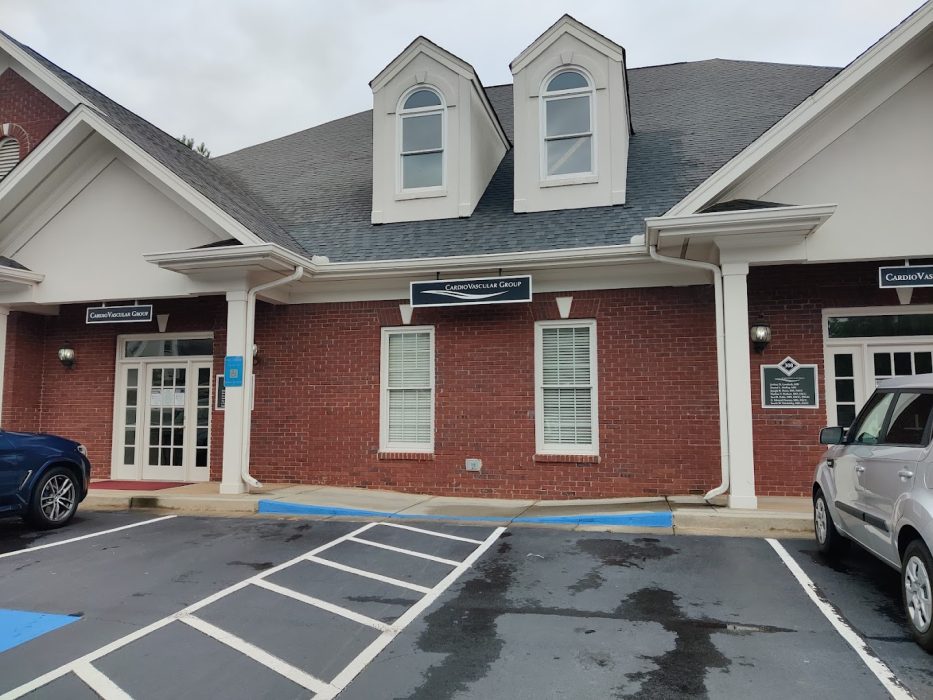
At Cardiovascular Group, we focus on making the process simple and calm. You stay still, breathe normally, and feel no pain during the test. The information we gather guides the next steps and helps you understand your heart with confidence.
Key Takeaways
- An ECG shows heart speed and rhythm to spot fast heart rates.
- The test is quick, painless, and done in a medical setting.
- Results guide care and help plan next steps if needed.
What Is Tachycardia and Why Are ECGs Essential
Tachycardia affects how fast and steady the heart beats. ECG testing gives us a clear way to see these changes and identify unsafe heart rhythms.
Understanding Tachycardia
Tachycardia means a heart rate over 100 beats per minute at rest. It is a type of arrhythmia, which means the heart rhythm does not follow a normal pattern.
Some forms happen as a normal response to stress, fever, or exercise. Others start without a clear trigger and may signal a heart problem.
Tachycardia can begin in the upper chambers or the lower chambers of the heart. Upper chamber types include supraventricular tachycardia, atrial fibrillation, and atrial flutter. Lower chamber types include ventricular tachycardia and ventricular fibrillation, which can be life-threatening.
Symptoms often include a racing heartbeat, dizziness, shortness of breath, or chest discomfort. Some people have no symptoms, which makes testing important.
Why ECGs Are Used for Detection
An electrocardiogram (ECG) records the heart’s electrical signals. It shows how fast the heart beats and whether the rhythm stays regular.
We use ECGs because they give fast and clear results. The test is painless and noninvasive. Sticky electrodes placed on the chest track each heartbeat.
An ECG helps us spot the source of tachycardia. It shows whether the rhythm starts in the atria or ventricles. It also reveals problems with electrical pathways, such as those seen in Wolff-Parkinson-White syndrome.
For short or rare episodes, we may use portable ECG devices like Holter or event monitors. These tools capture rhythm changes during daily life.
Types of Tachycardia Diagnosed by ECG
An ECG helps us tell one type of tachycardia from another. Each type has a clear pattern on the tracing.
Common ECG findings include:
| Type | Where It Starts | Key ECG Feature |
| Supraventricular tachycardia | Upper chambers | Fast, narrow beats |
| Atrial fibrillation | Upper chambers | Irregular rhythm, no clear P waves |
| Atrial flutter | Upper chambers | Sawtooth wave pattern |
| Ventricular tachycardia | Lower chambers | Wide, fast beats |
| Ventricular fibrillation | Lower chambers | Chaotic, disorganized signals |
These patterns guide treatment decisions. They help us judge urgency and choose the safest next steps.
How an ECG Detects Tachycardia
An ECG records the heart’s electrical signals and turns them into clear wave patterns. We use these patterns to measure heart rate, spot fast rhythms, and find where tachycardia starts.
The Science Behind Electrocardiography
Electrocardiography measures electrical signals that move through the heart with each beat. These signals trigger the heart muscle to contract in a set order.
During an electrocardiogram, we place electrodes on the chest, arms, and legs. A 12-lead ECG gives us multiple views of the heart at the same time.
The ECG machine does not send electricity into the body. It only records natural signals and displays them as lines on a screen or paper.
Tachycardia appears when these signals repeat too fast. In adults, we define this as a heart rate over 100 beats per minute at rest.
What Does an ECG Measure in Tachycardia
An ECG measures how fast the heart beats and how steady the rhythm is. This helps us confirm tachycardia and rule out normal fast heart rates, such as those from exercise.
What an EKG shows during tachycardia:
- Heart rate above 100 beats per minute
- Shortened time between beats
- Rhythm that may be regular or irregular
We also check timing between waves, such as the PR interval. Changes in these intervals help us see if the fast rhythm starts in the upper or lower chambers.
This detail guides treatment and shows how serious the rhythm may be.
Key ECG Signals: P Wave, QRS Complex, T Wave
Each heartbeat creates a clear pattern on the ECG. We focus on three main signals to detect tachycardia.
- P wave: shows electrical activity in the upper chambers
- QRS complex: shows activity in the lower chambers
- T wave: shows recovery after each beat
In normal rhythm, each P wave comes before a QRS complex. In some types of tachycardia, P waves may look abnormal or disappear.
Wide or narrow QRS complexes help us tell the difference between atrial and ventricular tachycardia.
Interpreting ECG Tracings for Irregular Heartbeats
We read ECG tracings by looking at the speed, spacing, and shape of each wave. Fast, closely spaced beats confirm tachycardia.
Key features we review:
- Regular vs. irregular heartbeat
- Consistent or changing wave shapes
- Relationship between P waves and QRS complexes
An irregular heartbeat with no clear P waves suggests atrial fibrillation. A fast, steady rhythm with wide QRS complexes raises concern for ventricular tachycardia.
These findings allow us to act quickly and choose the right next steps for care.
Types of ECG Tests in Diagnosing Tachycardia
Different ECG test types help us detect fast heart rhythms under specific conditions. Some tests capture the heart’s activity at rest, while others track changes during daily life or physical stress.
Standard (Resting) ECG
A standard ECG test, also called a resting EKG, records the heart’s electrical signals while the body stays still. We place small adhesive patches on the chest and sometimes the arms or legs. The test usually takes a few minutes.
This resting EKG shows heart rate, rhythm, and signal patterns at one moment in time. It can confirm tachycardia if the fast rhythm occurs during the test. It may also reveal signs of past heart damage or conduction problems.
The resting ECG works best when symptoms happen often. If symptoms come and go, we may need longer monitoring.
Key features
- Quick and painless
- Done in a clinic or office
- Captures a short snapshot of heart activity
Ambulatory Monitoring: Holter and Event Monitors
Ambulatory monitoring records heart rhythms over longer periods. We use devices like a Holter monitor, an event monitor, or other forms of portable ECG equipment.
A Holter monitor records continuously for 24 to 48 hours. Patients wear it during normal daily activities. This helps us detect tachycardia that does not appear during a resting EKG.
An event monitor tracks heart rhythms for weeks. It records only at certain times, either when the patient presses a button or when the device senses an abnormal rhythm.
| Device | Recording style | Typical use |
| Holter monitor | Continuous | Daily or frequent symptoms |
| Event monitor | Intermittent | Infrequent symptoms |
Stress ECG and Cardiac Stress Testing
A stress test measures how the heart responds to physical effort. We perform a stress ECG while the patient walks on a treadmill or pedals a stationary bike. If exercise is not possible, we may use medicine to raise the heart rate.
This ECG test helps identify tachycardia triggered by activity. It also shows how well blood flows to the heart during exertion. We monitor heart rhythm, heart rate, and blood pressure throughout the test.
Stress testing provides useful data when symptoms occur, mainly with movement or exertion. It also helps guide treatment and activity recommendations.
What to Expect During an ECG Test
An ECG test checks how fast and steady the heart beats. We focus on comfort, accuracy, and clear steps so the test runs smoothly and gives useful results for your care.
Preparation Steps and Precautions
We ask you to share your symptoms, such as dizziness, shortness of breath, fatigue, or any recent fainting. Tell us about all medicines and supplements you take. Some can affect heart rhythm.
You usually do not need to fast or change your routine. Wear loose clothing to allow easy access to your chest, arms, and legs. We may ask you to remove jewelry or metal items.
A staff member may clean the skin or shave small areas to help the electrode patches stick well. This step improves signal quality. We explain each step before we begin so you know what to expect.
The ECG Procedure: Step by Step
We ask you to lie still on an exam table. We place small electrodes on your chest and sometimes on your arms and legs. Lead wires connect the electrodes to the ECG machine.
The machine records your heart’s electrical signals for a short time, often under five minutes. You can breathe normally, but we ask you not to talk or move. Movement can distort the reading.
The ECG shows heart rate and rhythm in real time. This helps us spot fast heartbeats linked to tachycardia. A cardiologist reviews the patterns to look for clear signs of rhythm problems.
After the ECG: What Happens Next
We remove the electrodes and help you return to normal activity right away. Most people feel no discomfort, aside from mild skin irritation where patches were placed.
We review results the same day when possible. If the ECG shows a fast or irregular rhythm, we explain what it means and discuss next steps.
Next steps may include more monitoring, such as a wearable device, or changes to treatment. If symptoms like dizziness or shortness of breath continue, we guide you on when to seek care and how to manage risks.
Interpreting ECG Results for Tachycardia
We review ECG results by looking at heart rate, rhythm, and wave shape. These details help us tell normal fast heart rates from dangerous ones and decide if more tests are needed.
### Key Patterns That Indicate Tachycardia
We define tachycardia as a heart rate over 100 beats per minute on an ECG. We first check if the rhythm starts in the atria or ventricles. This step matters because some rhythms raise a higher risk.
Common ECG findings include:
| ECG Feature | What We Look For |
| Heart rate | Consistently above 100 bpm |
| QRS width | Narrow or wide complexes |
| P waves | Present, absent, or irregular |
| Rhythm | Regular or irregular timing |
A narrow QRS often points to atrial causes, like sinus tachycardia or atrial fibrillation. A wide QRS may signal ventricular tachycardia, which can link to a prior heart attack or myocardial infarction.
We also watch for signs of reduced blood flow. ST changes can suggest ischemia during fast rates, especially in people with known heart disease.
### Common Causes of False Positives or Limitations
Not all fast ECG readings mean true tachycardia. We often see false positives due to outside factors. Movement, poor lead contact, or anxiety can raise the heart rate during the test.
Medical conditions also affect readings. Electrolyte imbalances, such as low potassium, can change wave shapes and mimic dangerous rhythms. Fever, dehydration, or pain may cause sinus tachycardia without heart damage.
Some limits come from timing. An ECG shows only a short window. If the fast rhythm comes and goes, we may miss it. In contrast, bradycardia episodes can appear normal if the heart rate rises during the test.
Because of these limits, we never read ECG results alone or without clinical context.
### When Are Additional Tests Needed?
We order more tests when ECG results raise concern or fail to explain symptoms. Chest pain, fainting, or shortness of breath often requires deeper review.
We may use an echocardiogram to check heart structure and pumping strength. This test helps us find damage after a heart attack or ongoing reduced blood flow.
If we suspect blocked arteries, we may recommend an angiogram. Blood tests also help us confirm or rule out an electrolyte imbalance.
We choose follow-up tests based on risk, symptoms, and ECG findings. This approach helps us avoid missed diagnoses while limiting unnecessary testing.
Other Diagnostic Tools and Next Steps
An ECG often provides the first clear sign of tachycardia, but it may not explain the full cause. We use additional tests to confirm the diagnosis, find triggers, and choose the right treatment based on risk and symptoms.
When Further Evaluation Is Necessary
We recommend more testing when symptoms persist, occur without warning, or suggest a higher risk rhythm. A normal ECG at rest does not rule out tachycardia that comes and goes.
Common next steps include:
- Holter monitoring to record heart rhythm over 24–48 hours
- Event monitors for less frequent episodes
- Echocardiogram to assess heart structure and pumping function
- Blood tests to check for infection, thyroid disease, or inflammation
We also evaluate for related conditions such as myocarditis or endocarditis when fever, chest pain, or recent illness is present. In some cases, we use cardiac catheterization to check blood flow, as ischemia may trigger tachycardia.
Advanced Electrophysiological Studies
When basic testing does not identify the rhythm source, we may order an electrophysiology (EP) study. This test maps the heart’s electrical pathways from inside the heart using thin catheters.
We perform EP studies to:
- Locate the exact origin of tachycardia
- Determine if the rhythm is safe or dangerous
- Decide if catheter ablation can stop the abnormal circuit
The procedure occurs in a controlled hospital setting. Patients receive sedation, and most go home the same day. We may also use EP findings to decide if a pacemaker or implantable cardioverter-defibrillator (ICD) is needed for long-term rhythm control.
Potential Treatments Following Diagnosis
Treatment depends on the tachycardia type, cause, and patient risk. Some patients only need medication and monitoring. Others require procedures.
Possible treatments include:
| Treatment | Purpose |
| Medications | Slow heart rate or prevent episodes |
| Cardioversion | Restore normal rhythm with controlled energy |
| Catheter ablation | Eliminate the source of abnormal signals |
| Pacemaker | Support slow or unstable rhythms |
| ICD | Prevent sudden cardiac arrest |
In rare cases, we may recommend heart surgery when tachycardia is linked to structural disease. We base every decision on safety, symptoms, and long-term heart health.
Conclusion: A Simple Test Can Provide Clear Answers About Your Heart Rhythm
An ECG is one of the fastest and most effective tools for identifying tachycardia and other heart rhythm abnormalities. By recording the heart’s electrical activity in real time, the test helps your care team determine how fast your heart is beating, whether the rhythm is regular, and where the rapid signals may be originating. Because the test is quick, painless, and noninvasive, it’s often the first step in evaluating symptoms like palpitations, dizziness, or shortness of breath. Understanding what to expect during an ECG can ease anxiety and highlight how valuable this test is in guiding next steps—whether that means reassurance, further monitoring, or targeted treatment.
If you’re experiencing symptoms of a fast or irregular heartbeat, Cardiovascular Group (CVG Cares) offers in-office ECG testing, advanced diagnostics, and personalized care to help identify the cause and protect your heart health.