You rely on your heart to work every second, but problems with its structure can stay hidden for years. You may feel short of breath, notice chest discomfort, or hear that you have a heart murmur.
These moments raise an important question about what is happening inside your heart. A heart structure test checks the size, shape, and movement of your heart and valves to find problems like valve disease, weak heart muscle, or abnormal blood flow.
We use these tests when symptoms appear, when an exam raises a concern, or when prior results warrant closer review. Many tests are noninvasive and give clear details that help guide care.
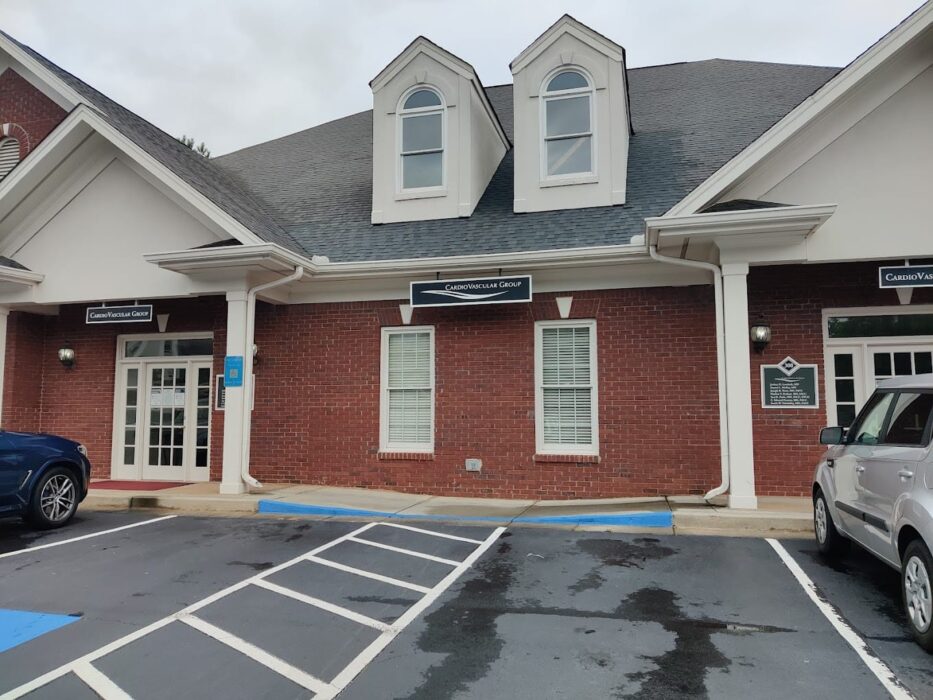
At Cardiovascular Group, we focus on clear answers and careful testing. We guide you through what the test shows, why it matters, and what steps may come next.
This approach helps you feel informed and confident about your heart health.
Key Takeaways
- Heart structure tests show how your heart and valves work.
- Symptoms or abnormal exams often lead to testing.
- Clear results help guide the right care plan.
Understanding Heart Structure Tests
We use heart structure tests to examine how the heart is built and how its parts work together. These tests focus on the chambers, valves, and muscle, not just blood flow or rhythm.
They help us link symptoms like shortness of breath or a heart murmur to a clear cause.
What Heart Structure Tests Evaluate
Heart structure tests assess the heart’s structure and how well it pumps blood. We check the size and shape of the heart chambers.
We also study how the heart muscle contracts and relaxes. A major focus is on the heart valves.
We look for valves that do not fully open or close tightly. These problems can change blood flow and strain the heart.
Common tools include echocardiograms, catheter-based pressure measurements, and contrast-enhanced imaging. Some tests measure pressure inside the heart.
Others create moving images that show valve motion and muscle strength.
Key areas we evaluate include:
- Chambers: size, thickness, and pumping ability
- Valves: opening, closing, and leaks
- Pressures: how blood moves through the heart
Structural Heart Problems Detected
These tests help us find heart valve disease, such as aortic stenosis or mitral regurgitation. Valve problems often cause chest pain, fatigue, or shortness of breath.
We may first suspect them after hearing a heart murmur. We also detect congenital heart defects.
These include holes between chambers, like atrial septal defects or a patent foramen ovale. Many people have no symptoms, but some defects raise stroke risk.
Heart structure tests can show damage to the heart muscle. This damage may follow a heart attack or long-term high blood pressure.
While these tests do not directly diagnose coronary artery disease, they can indicate its effects on heart function.
Difference From Other Heart Tests
Heart structure tests differ from rhythm or stress tests. They answer different questions.
| Test Type | Main Purpose | What It Shows |
| Heart Structure Tests | Anatomy and mechanics | Chambers, valves, muscle |
| Stress Tests | Blood flow with effort | Possible artery blockages |
| ECG/Holter | Heart rhythm | Fast or irregular beats |
We choose structural tests when symptoms point to valve or muscle problems. They guide decisions about medicine, procedures, or surgery.
They also help us track changes over time with clear, repeatable results.
Types of Heart Structure Tests
Heart structure tests show how the heart looks, moves, and handles blood flow. Each test uses a different tool, such as sound waves, X-rays, or catheters, to find valve disease, weak heart muscle, or blocked vessels.
Echocardiogram and Echocardiography
An echocardiogram uses sound waves to create live images of the heart. We often call this test echocardiography.
It shows how the heart chambers and valves move with each beat. We use this test to check valve leaks, valve narrowing, and heart muscle strength.
It also helps us find causes of heart murmurs or shortness of breath. The test does not use radiation.
A technologist places a small probe on the chest. The test is painless and usually takes less than one hour.
In some cases, we use a transesophageal echocardiogram for clearer valve images.
Key uses
- Valve disease
- Heart muscle function
- Fluid around the heart
Cardiac CT and Coronary Calcium Scan
Cardiac CT, also called cardiac CT scan or cardiac computed tomography, uses X-rays to produce detailed images of the heart. A coronary calcium scan is a specialized CT scan that detects calcium in the coronary arteries.
We use these tests to detect plaque buildup and assess heart structure. They help us estimate heart disease risk in certain patients.
Some scans use contrast dye to highlight blood vessels. The scan is fast and noninvasive, but it does involve radiation.
Common reasons
- Calcium scoring
- Artery anatomy
- Follow-up of abnormal findings
Cardiac MRI
A cardiac MRI uses magnets and radio waves to create detailed heart images. It does not use radiation.
This test shows heart muscle, scars, and blood flow patterns with great detail. We often use cardiac MRI to study cardiomyopathy, inflammation, or congenital heart problems.
It can also measure heart chamber size and pumping strength. Some exams use contrast dye to improve image quality.
The test takes longer than a CT and requires lying still in the scanner.
Best for
- Heart muscle disease
- Tissue damage
- Complex structure issues
Cardiac Catheterization and Ventriculography
Cardiac catheterization is an invasive test that uses a thin tube called a cardiac catheter. We guide it through a blood vessel to the heart.
This test measures pressures and blood flow inside the heart. Ventriculography is often done during catheterization.
We inject contrast dye and take X-ray images to watch the heart pump. This acts like an internal angiogram.
We use this test when noninvasive scans do not give clear answers. It also helps plan treatments, such as valve repair or replacement.
What it provides
- Direct pressure readings
- Detailed pumping function
- Precise valve assessment
When Do You Need a Heart Structure Test?
We order heart structure tests when symptoms, known heart problems, or risk factors suggest a change in how the heart works. These tests help us visualize the heart’s chambers, valves, and blood flow, enabling us to diagnose heart disease and guide care.
Symptom-Based Indications
We recommend a heart structure test when symptoms point to a problem with the heart’s shape or movement. Shortness of breath, chest pain, fainting, or swelling in the legs can signal heart failure or heart valve problems.
We also act when people report fast, slow, or uneven beats. These signs often link to arrhythmia or other heart rhythm problems.
Imaging can determine whether a valve leak or a weak muscle is causing the issue. Common triggers include:
- Chest pain after a heart attack
- New or worsening fatigue
- Heart murmurs found on exam
A chest X-ray may show changes in heart size, but it cannot replace detailed imaging. Structure tests give clearer answers.
Monitoring Heart Conditions
We use heart structure tests to track known conditions over time. If someone has valve disease, cardiomyopathy, or heart failure, repeat testing shows if the condition stays stable or worsens.
These tests help us check how well treatments work. Medications, valve repair, or rhythm control can change heart size and pumping strength.
Imaging lets us measure those changes. We often monitor:
- Valve narrowing or leaks
- Heart muscle thickness
- Pumping strength of the ventricles
- Effects of long-term heart rhythm issues
By watching trends, we can adjust care early and avoid sudden problems.
Screening for High-Risk Individuals
We may screen people without symptoms when risk runs high. Family history of heart disease, prior heart attack, or long-standing high blood pressure raise concern for hidden damage.
Certain conditions increase risk even without pain. Diabetes, chronic kidney disease, and past cancer treatments can affect heart structure.
In these cases, testing helps us diagnose heart disease before symptoms start. We also screen when other tests raise flags.
An abnormal ECG, unexplained murmur, or changes seen on a chest X-ray may lead us to imaging.
High-risk factors that prompt testing
| Risk Factor | Why It Matters |
| Family history | Higher chance of inherited issues |
| Prior heart attack | Risk of weak heart muscle |
| Long-term arrhythmia | Can stretch heart chambers |
| Cancer therapy | May weaken the heart muscle |
Additional Diagnostic Heart Tests
We use these tests to check heart rhythm, blood flow under stress, and key blood markers. Each test provides specific information that supports or rules out heart disease.
Electrocardiogram (ECG, EKG, Rhythm Monitor)
An electrocardiogram (ECG or EKG) records the heart’s electrical signals. It shows heart rate, rhythm, and signs of prior injury.
We often run it during a clinic visit because it is fast and painless. A rhythm monitor tracks the heart over time.
We use it when symptoms come and go. Devices may record for 24 hours or up to several weeks.
What it helps detect
- Irregular rhythms, such as atrial fibrillation
- Slow or fast heart rates
- Past or active heart strain
| Test type | How long it records | Best use |
| ECG/EKG | Seconds | Ongoing rhythm issues |
| Rhythm monitor | Days to weeks | Intermittent symptoms |
Exercise and Pharmacologic Stress Tests
A cardiac stress test checks how the heart works during stress. The most common type is a treadmill test, also called an exercise stress test or ETT.
We increase speed and incline while we track ECG, blood pressure, and symptoms. Some people cannot exercise.
In those cases, we use medicine to raise the heart workload. This is a pharmacologic stress test.
Imaging may be added to show blood flow to the heart muscle.
Key reasons we order stress tests
- Chest pain with activity
- Shortness of breath on exertion
- Known or suspected blocked arteries
These tests help us see limits that rest tests cannot show.
Blood Tests and Biomarkers
Blood tests give clear data about heart risk. A lipid panel measures cholesterol, including LDL, HDL, and triglycerides.
High levels raise the risk of artery disease. We may also check C-reactive protein (CRP).
CRP shows inflammation linked to higher heart risk. Other tests can assess blood sugar and kidney function when needed.
Common heart-related blood tests
- Lipid panel: cholesterol and triglycerides
- C-reactive protein: inflammation risk
- Basic metabolic tests: overall health factors
We use these results to guide prevention, treatment, and follow-up care.
What to Expect During Heart Structure Testing
Heart structure testing follows a clear process from preparation to follow-up. We focus on safety, comfort, and accurate results that help your cardiologist understand blood flow to the heart and valve function.
Preparation Steps
We start with a short review of your health history and current symptoms. Our team asks about medicines, allergies, kidney problems, and past heart screening results.
You may need to adjust some medicines before the test. We explain which drugs to pause and which to keep taking.
If we plan to use contrast dye, we check kidney function and past reactions. On the day of testing, wear loose clothing and leave jewelry at home.
Some tests ask you to avoid food or drinks for a few hours.
Common prep steps include:
- Bring a list of medicines and supplements
- Tell us if you are pregnant or diabetic
- Arrive early for check-in and consent
Test Procedures and Patient Experience
Most heart structure tests are non-invasive or minimally invasive. You stay awake, and we monitor your heart rate, blood pressure, and comfort.
An echocardiogram uses sound waves to create images of the heart. When we add Doppler ultrasound, we measure how blood moves through valves and chambers.
A carotid ultrasound checks blood flow in the neck arteries when stroke risk is a concern.
Some tests use catheters and contrast dye to produce detailed images of the heart. We guide the catheter through a blood vessel while imaging runs.
| Test Type | What You Feel | What We Measure |
| Echocardiogram | Mild pressure on chest | Heart size and valve motion |
| Doppler ultrasound | No pain | Blood flow speed |
| Catheter test | Brief pressure | Chamber pressures |
Post-Test Recovery and Follow-Up
Recovery depends on the test type. After imaging tests, you can usually return to normal activity the same day.
If we use a catheter, you rest for several hours. We watch the entry site and check vital signs.
Drinking fluids helps clear contrast dye from your body.
Your cardiologist reviews the results and explains what they mean. We discuss next steps, which may include medicine changes, more testing, or treatment planning.
Benefits, Risks, and Limitations of Heart Structure Tests
Heart structure tests give us clear details about how the heart looks and works. They can guide treatment decisions, but they also have limitations and potential risks that patients should understand.
Benefits of Early Detection
Heart structure tests help identify issues that may not present with clear symptoms. These tests can detect valve disease, weak heart muscle, or thickened walls caused by high blood pressure or long-term hypertension.
Early testing helps us act before damage worsens. We can adjust medications, plan procedures, or monitor changes over time.
For people with plaque buildup or coronary artery disease (CAD), these tests can support safer care planning.
We also use these tests to guide device decisions. Clear images help us decide if someone may need a pacemaker or valve repair.
This targeted approach avoids guesswork and improves treatment timing.
Potential Risks and Complications
Most heart structure tests are safe, but no test is risk-free. Some tests use catheters, which can cause bleeding, infection, or bruising at the entry site.
Tests that use contrast dye may affect kidney function, especially in people with diabetes or existing kidney disease. X-ray–based tests expose patients to small amounts of radiation.
Possible risks include:
- Allergic reactions to contrast dye
- Heart rhythm changes during catheter-based tests
- Temporary discomfort or soreness after the test
We reduce risks by reviewing medical history, medications, and test needs before scheduling.
Limitations and Considerations
Heart structure tests do not explain every heart problem. A normal result does not rule out early CAD or small areas of plaque buildup.
These tests may not help if symptoms are absent and the risk is low. In some cases, results lead to follow-up tests that may not change treatment.
Other key limits include:
- Tests show structure, not always blood flow
- Findings may not explain chest pain or shortness of breath
- Some conditions require repeated testing over time
We weigh benefits, risks, and patient history before recommending any test.
Why Choose Cardiovascular Group for Heart Structure Testing
We focus on accurate testing, clear communication, and care that supports long-term heart health. Our team uses proven tools and follows each patient from testing through the next steps.
Expertise and Technology
Our cardiologists specialize in heart structure testing and related conditions. They evaluate valve disease, cardiac muscle dysfunction, and blood flow issues using methods tailored to clinical needs.
We use modern tools, including echocardiography, catheter-based pressure measurements, and ventriculography. These tests provide clear data on heart chambers, valves, and pumping strength.
Most tests are noninvasive or minimally invasive. Patients stay awake, and testing usually occurs in a controlled outpatient setting.
What this means for you:
- Accurate diagnosis based on direct heart measurements
- Testing matched to your symptoms and medical history
- Reliable results that guide real treatment decisions
Personalized Care Approach
We treat each patient as an individual, not a case type. Our cardiologists review symptoms, risk factors, and prior test results before recommending any heart structure test.
We explain each test in plain language before it begins. Patients know why we order the test, what will happen, and what the results may show.
During the visit, our staff focuses on comfort and safety. We monitor vital signs closely and respond quickly to concerns.
Our care approach includes:
- One-on-one discussions with your cardiologist
- Clear explanations without medical jargon
- Respect for patient preferences and concerns
Comprehensive Follow-Up
Testing does not end the process. We review results carefully and explain what they mean for daily life and future care.
If we find a problem, we discuss specific options. These may include medication, continued monitoring, catheter-based treatment, or surgery when needed.
We coordinate care across our cardiology team and locations. This makes follow-up visits and ongoing testing easier to manage.
Follow-up may include:
- Written and verbal test result reviews
- Ongoing imaging or pressure monitoring
- Referrals for valve repair or replacement when appropriate
Conclusion: Clear Answers Start With the Right Heart Testing
Heart structure problems can develop quietly and still have a major impact on how you feel day to day. If you’ve noticed shortness of breath, chest discomfort, fatigue, or you’ve been told you have a heart murmur, a heart structure test can provide the clarity you need. These evaluations look closely at the heart’s chambers, valves, and pumping strength to detect issues like valve disease, weakened heart muscle, or abnormal blood flow. Because many structural tests are noninvasive and highly informative, they’re often the best next step when symptoms appear or when an exam raises concern. Getting the right test at the right time helps confirm a diagnosis, guide the best treatment plan, and protect long-term heart health.
If you have symptoms or want a thorough evaluation of your heart function, Cardiovascular Group (CVG Cares) offers advanced heart structure testing and personalized care plans built around clear results and compassionate support.