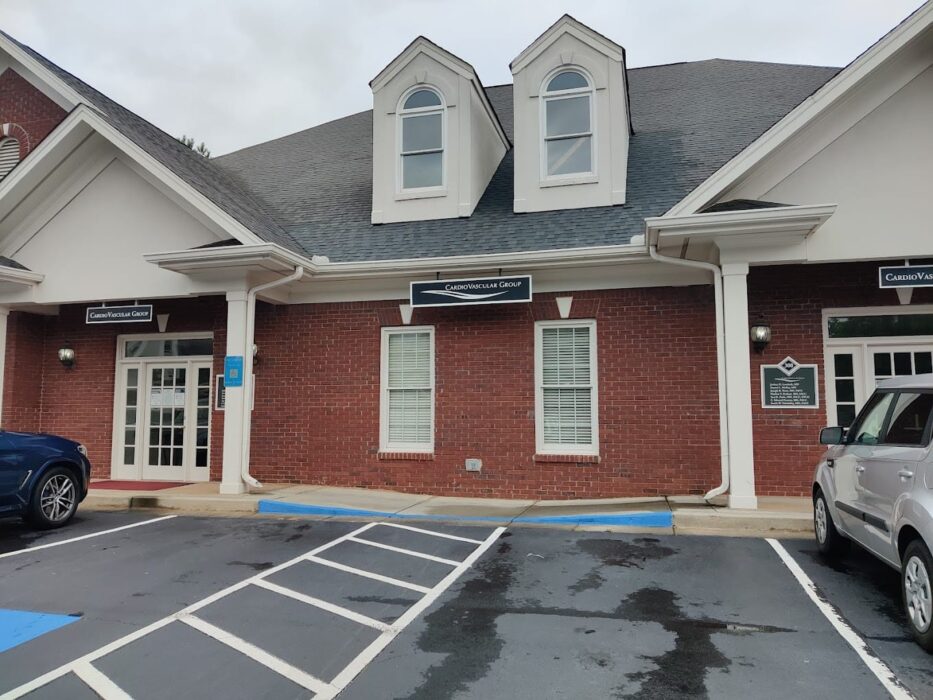
You may already know a cardiologist treats heart problems, but we want to show you exactly what that means for your health and daily life. A cardiologist is a doctor who diagnoses, treats, and helps prevent diseases of the heart and blood vessels—ranging from high blood pressure and chest pain to heart failure and irregular heart rhythms
We’ll explain when to seek care, which tests you might get, and how treatments can lower your risk and improve your heart function. We’ll also map the kinds of specialists you might meet and what each one focuses on, so you can feel confident finding the right help
Follow along to learn what to watch for, what to expect during tests and procedures, and how simple changes and medical care can make a big difference
Key Takeaways
- Cardiologists diagnose and treat many heart and blood vessel conditions
- Tests and procedures help pinpoint problems and guide treatment
- Specialists and prevention steps help manage risk and improve outcomes
What Is a Cardiologist?
We explain who cardiologists are, what they do day to day, and how they differ from surgeons who operate on the heart. Read the clear differences in training, work, and patient care
Definition and Role
A cardiologist is a physician who diagnoses, treats, and helps prevent diseases of the heart and blood vessels. We train in internal medicine first, then complete specialized fellowship training in cardiology to manage conditions like coronary artery disease, heart failure, arrhythmias, and valve problems
We use tests such as electrocardiograms (EKG), echocardiograms, stress tests, cardiac CT and MRI, and blood work to find problems. We prescribe medicines, guide lifestyle changes, and perform or refer for procedures like cardiac catheterization and stent placement
Many cardiologists also focus on prevention—reducing blood pressure, cholesterol, and other risks to avoid heart attacks and strokes. Cardiologists may sub-specialize (electrophysiology, heart failure, interventional cardiology, pediatric cardiology)
We work in clinics, hospitals, and heart centers, and often coordinate care with primary care doctors and cardiac surgeons
Cardiologist vs Heart Surgeon
A cardiothoracic surgeon, often called a cardiac surgeon, performs operations on the heart, lungs, and major vessels. We refer patients to them when surgery is needed, such as bypass surgery, valve repair or replacement, or complex congenital repairs
Surgeons complete surgical residency plus specialized training in cardiothoracic surgery. Cardiologists focus on diagnosis, medical therapy, and less-invasive procedures like angioplasty and stenting
Interventional cardiologists perform catheter-based treatments in the cath lab, avoiding open chest surgery when possible. We consult with cardiac surgeons to decide the best option for each patient, weighing risks, recovery time, and long-term outcomes
Both cardiologists and cardiac surgeons treat the cardiovascular system together. Collaboration ensures patients receive the right combination of medical care, procedures, and surgery when needed
Diseases and Conditions Treated by Cardiologists
We diagnose and treat problems that affect the heart, blood vessels, and how blood flows through the body. Our care targets symptoms like chest pain, shortness of breath, palpitations, fainting, fatigue, and swelling
Heart Disease and Cardiovascular Disease
Heart disease and cardiovascular disease cover conditions that narrow or block blood flow in the heart and arteries. The most common is coronary artery disease (CAD), caused by plaque build-up from high cholesterol, smoking, diabetes, and high blood pressure
CAD can cause angina (chest pain) and lead to heart attacks when blood flow is suddenly blocked. We use tests like EKGs, stress tests, coronary CT, and angiography to find blockages
Treatment ranges from lifestyle change and medicines (statins, blood pressure drugs, antiplatelets) to procedures such as stents or bypass surgery. We also manage vascular disease outside the heart, such as peripheral artery disease, which causes leg pain and raises stroke risk
Heart Failure and Heart Attack
Heart failure happens when the heart cannot pump enough blood for the body’s needs. It often follows damage from a heart attack, long-standing high blood pressure, or cardiomyopathy
Symptoms include shortness of breath, fatigue, swelling in the legs, and difficulty exercising. A heart attack occurs when a coronary artery is blocked, causing sudden chest pain, nausea, and sweating
We treat heart attacks urgently with clot-busting drugs or catheter-based procedures to restore blood flow. For heart failure, we use medicines (ACE inhibitors, beta blockers, diuretics), device therapy (pacemakers, defibrillators), and lifestyle changes
We monitor fluid levels, kidney function, and weights to adjust treatment and prevent hospital readmission
Heart Rhythm Disorders and Arrhythmias
Arrhythmias are abnormal heart rhythms that cause palpitations, dizziness, fainting, or even stroke. Common examples include atrial fibrillation, atrial flutter, and ventricular arrhythmias
Atrial fibrillation raises stroke risk because clots can form in the heart and travel to the brain. We diagnose rhythm problems with EKGs, Holter monitors, event recorders, and electrophysiology studies
Treatments include medicines to control rate or rhythm, blood thinners to reduce stroke risk, catheter ablation to isolate faulty electrical pathways, and implantable devices like pacemakers or ICDs for dangerous rhythms. We tailor therapy to symptom burden, stroke risk, and underlying heart function
Vascular and Valve Diseases
Valve disease and vascular disease affect blood flow direction and vessel integrity. Heart valve problems (stenosis or regurgitation) cause shortness of breath, fatigue, and fluid buildup
Causes include age-related wear, congenital defects, infections like endocarditis, and rheumatic disease. Valve problems may require repair or replacement via surgery or transcatheter techniques
Vascular disease includes peripheral artery disease and aortic aneurysms. It can cause leg pain, poor wound healing, or a life-threatening rupture
We treat risk factors such as hypertension and high cholesterol, provide medicines to improve blood flow, and perform interventions like angioplasty, stenting, or surgery. We also manage inflammatory conditions like myocarditis and pericarditis when they affect heart function
Symptoms and Signs That Require a Cardiologist
We list the main symptoms that mean you should see a heart doctor. These signs often point to blocked arteries, rhythm problems, or heart failure and need prompt evaluation
Chest Pain and Discomfort
Chest pain that feels like pressure, tightness, squeezing, or burning is a top reason to see a cardiologist. If the pain comes on with exertion and eases with rest, that pattern suggests reduced blood flow to the heart (angina)
Pain that spreads to the arm, jaw, neck, shoulder, or back is also worrying. Sudden, severe chest pain, especially with nausea, sweating, or lightheadedness, can mean a heart attack
We advise calling emergency services right away for these symptoms. Even new or unexplained chest discomfort should prompt an appointment
Tests we commonly use include ECG, blood tests for heart injury, and imaging such as stress tests or coronary CT
Dizziness, Fainting, and Fatigue
Frequent dizziness or fainting (syncope) may signal an arrhythmia, low blood pressure, or poor heart output. If we find that fainting happens during exertion or is followed by confusion, we take it seriously
These episodes can reflect irregular heart rhythms or structural problems like valve disease. Persistent, unexplained fatigue that limits daily activities also needs cardiac evaluation
We look for signs of heart failure, anemia, or thyroid disease, but we start with a focused heart exam, ECG, and sometimes an echocardiogram. If needed, we use Holter monitors or event recorders to catch intermittent rhythm issues that cause dizziness or fainting
Shortness of Breath and Palpitations
Shortness of breath with mild activity, lying flat, or waking at night can mean heart failure, fluid in the lungs, or severe valve disease. We assess how exercise tolerance has changed and perform tests like chest X-ray, BNP blood tests, and echocardiography to measure heart function
Palpitations — sensations of racing, fluttering, or skipped beats — can come from benign extrasystoles or from dangerous arrhythmias such as atrial fibrillation. If palpitations are frequent, prolonged, or paired with lightheadedness or chest pain, we arrange rhythm monitoring and may order an electrophysiology consult
Treatment ranges from lifestyle changes and medications to procedures like ablation, depending on the cause
Diagnostic Tests and Procedures in Cardiology
We use tests and procedures to find how the heart is working, where problems are, and which treatments will help. These tools range from simple tracings of electrical activity to invasive procedures that fix blockages
Electrocardiogram (ECG/EKG)
An electrocardiogram (ECG or EKG) records the heart’s electrical activity with small stickers on the chest, arms, and legs. It takes minutes and shows heart rhythm, heart rate, and signs of past or recent heart injury
We use an ECG to detect arrhythmias, signs of a heart attack, and conduction problems. It’s also a first-line test for chest pain or palpitations
For intermittent symptoms, we may fit a Holter monitor or an event monitor. A Holter records continuously for 24–48 hours
An event monitor records when the patient triggers it or when it detects abnormal rhythms. These longer recordings help catch problems that do not show on a single ECG
Echocardiogram and Cardiac Imaging
An echocardiogram uses ultrasound to show heart structure and function in real time. It tells us about valve function, chamber size, wall motion, and ejection fraction
Transthoracic echo is the common exam done through the chest wall; transesophageal echo gives clearer images for valves and clots. We also use cardiac CT and cardiac MRI when we need detailed views of coronary arteries, vessel anatomy, or tissue characterization
Cardiac CT can look for coronary calcium and noninvasive coronary artery disease. Ultrasound is safe, has no radiation, and usually takes 30–60 minutes
CT and MRI require contrast sometimes and have specific prep. We choose the imaging test based on the clinical question: valves, heart failure, congenital issues, or coronary artery disease
Stress Tests and Blood Work
Stress tests check how the heart responds to increased activity. We use exercise stress tests when patients can walk on a treadmill or pedal a bike
If physical exercise isn’t possible, we use pharmacologic stress with medicines that increase blood flow. A stress test often combines an ECG with imaging (stress echocardiogram or nuclear study) to spot areas of poor blood flow
Blood tests support diagnosis and track risk factors. Key labs include troponin for heart muscle injury, BNP for heart failure, and basic panels for electrolytes
We also check blood glucose, cholesterol, and kidney function before imaging with contrast. These tests guide immediate care and long-term risk reduction
Cardiac Catheterization and Interventional Procedures
Cardiac catheterization involves threading a thin tube (catheter) into the heart via an artery in the wrist or groin. We use it to measure pressures, take blood samples, and inject contrast to visualize coronary arteries
This angiogram pinpoints blockages that cause chest pain or heart attacks. When we find a significant blockage, we can perform angioplasty and stent placement during the same procedure
Angioplasty uses a balloon to open the vessel. A stent (a small mesh tube) holds it open
Catheterization is invasive and carries risks, so we reserve it for patients with high-risk tests or active chest pain. Recovery is usually short
Most patients go home the same day or after one night
Treatment Approaches and Prevention Strategies
We focus on treatments that reduce symptoms, lower the risk of future events, and help patients return to an active life. Our approach blends medications and devices, focused lifestyle changes, and structured rehab to form a clear treatment plan
Medications and Devices
We use medicines such as statins to lower LDL cholesterol, ACE inhibitors or ARBs for blood pressure and heart protection, beta blockers to reduce heart workload, and antiplatelet drugs after certain events. For people with diabetes or very high risk, we may add newer agents (SGLT2 inhibitors or GLP-1 receptor agonists) when appropriate
Medication choices depend on diagnosis, risk level, kidney function, and other conditions. We review drug interactions and side effects at each visit
When drugs cannot control symptoms or rhythm, we consider devices. A pacemaker treats slow or blocked heart rhythms
An implantable cardioverter-defibrillator (ICD) prevents sudden cardiac arrest in high-risk patients. Cardiac resynchronization therapy (CRT) can improve symptoms in some heart failure patients
We explain device function, implantation risks, and follow-up. Together, we build a medication-and-device plan that matches each patient’s goals and test results
Lifestyle Changes and Risk Reduction
We emphasize concrete lifestyle changes tied to heart disease prevention. Patients get a personalized plan that includes a heart-healthy diet—more vegetables, whole grains, fish, nuts, and less processed meat and sugary drinks
We set realistic weight and blood pressure targets and give step-by-step nutrition tips. Physical activity is prescribed as at least 150 minutes per week of moderate exercise or 75 minutes of vigorous activity when safe, with gradual increases
We also address smoking cessation with counseling and pharmacologic aids when needed. We screen and treat other risk factors such as high blood pressure, high cholesterol, and diabetes
We assess social factors that affect care, like access to healthy food or safe places to exercise, and connect patients to resources. We track progress regularly and adjust the treatment plan to keep the risk falling
Cardiac Rehabilitation
We refer patients to cardiac rehabilitation after events like a heart attack, stent placement, or worsening heart failure. Rehab combines monitored exercise, education, and counseling in a structured program
Sessions include tailored aerobic and strength training, supervised by clinicians, to improve fitness and reduce hospital readmissions. Education covers medication adherence, diet, stress management, and symptom recognition
We use rehab to reinforce lifestyle changes and to set measurable goals. Follow-up plans include home exercise routines and periodic check-ins so gains are kept long-term
Types of Cardiologists and Subspecialties
Cardiologists focus on specific parts of heart care. Some diagnose and manage common heart conditions, while others perform procedures, treat rhythms, or care for complex or rare diseases
General and Clinical Cardiologists
We are often the first heart specialists patients see for symptoms like chest pain, shortness of breath, dizziness, or high blood pressure. Clinical cardiologists (sometimes called general adult cardiologists or noninvasive cardiologists) evaluate risk factors, order tests such as ECGs, echocardiograms, stress tests, and cardiac MRIs, and treat conditions like coronary artery disease, high cholesterol, hypertension, and heart valve disease
We start long‑term care plans that include medicines, lifestyle changes, and periodic testing. When a condition needs a procedure or more focused expertise, we refer patients to interventional cardiology, electrophysiology, or imaging subspecialists and coordinate follow‑up care
Interventional Cardiologist
Interventional cardiologists use catheter‑based techniques to treat blocked arteries and valve problems without open surgery. We perform angioplasty and stent placement for coronary artery disease, transcatheter aortic valve replacement (TAVR), MitraClip for mitral regurgitation, and other minimally invasive repairs
We handle urgent heart attacks in the cath lab and treat chronic issues like severe coronary blockages or structural valve disease. These specialists work closely with heart surgeons when open surgery is a better option
Patients who cannot tolerate major surgery often benefit from our procedures
Cardiac Electrophysiologist
Electrophysiologists diagnose and treat heart rhythm disorders. We use ECGs, wearable monitors, implantable loop recorders, and advanced 3‑D mapping to find abnormal electrical pathways
Treatments include medications, catheter ablation to destroy arrhythmia sources, and implanting pacemakers or defibrillators. We also manage complex problems like atrial fibrillation, ventricular tachycardia, and syncope due to rhythm issues
Modern electrophysiology emphasizes reducing radiation exposure and using leadless pacemakers or devices to lower infection and complication risks
Other Specialized Cardiologists
We include many focused subspecialists who manage specific needs:
- Heart failure and transplant specialists: treat advanced heart failure, manage ventricular assist devices, and evaluate transplant candidates
- Cardiac imaging specialists: interpret echocardiography, cardiac CT, and MRI to guide diagnosis and procedures
- Cardio‑oncologists: monitor and treat heart effects of cancer therapies
- Adult congenital heart disease specialists: provide lifelong care for people born with structural heart defects
- Sports cardiologists: assess athletes for safe exercise and manage exercise-related heart risk
- Critical care cardiologists care for unstable patients in the ICU with severe heart conditions
Each specialist adds expertise for targeted problems. We refer or collaborate when a patient’s condition needs advanced imaging, device therapy, surgery, or long‑term complex care
Medical Training, Certification, and When to See a Cardiologist
Cardiologists complete many years of training, earn board certification, and work closely with primary care doctors. We explain the main steps in their education, common reasons to see one, and how they coordinate care with your regular doctor
Educational Pathway and Board Certification
Becoming a cardiologist starts with 4 years of medical school after an undergraduate degree. We then complete a residency in internal medicine, usually 3 years, where we learn general adult care and hospital medicine
After residency, cardiology fellowship training follows, typically 3 years, focused on heart diseases, imaging, stress testing, and invasive procedures like catheterization. Most cardiologists seek certification from the American Board of Internal Medicine (ABIM)
Board certification shows we passed exams and met case and training requirements. Many also pursue subspecialty certification (for example, interventional cardiology or electrophysiology) that requires extra fellowship time and additional ABIM exams
Ongoing maintenance of certification means we keep learning throughout our careers
When to See a Cardiologist
You should see a cardiologist for chest pain, shortness of breath, fainting, irregular heartbeats, or unexplained swelling in the legs. We also evaluate abnormal test results, such as an ECG, echocardiogram, or high blood pressure that does not respond to treatment
A family history of heart disease—especially early heart attacks in first-degree relatives—raises your risk and may justify earlier or more frequent visits. We diagnose conditions like coronary artery disease, heart failure, valve disease, and arrhythmias using history, exam, blood tests, imaging, and sometimes catheterization
If you have multiple risk factors (diabetes, high cholesterol, smoking), we often see you for prevention and risk reduction
Working With Primary Care Providers
We usually act as consultants to primary care physicians and work as part of a team
Your primary care doctor often orders initial tests and refers you when specialized heart care or procedures are needed
We share test results, treatment plans, and follow-up recommendations with your primary care team
That coordination helps manage medications, monitor blood pressure and cholesterol, and plan lifestyle changes
When procedures or hospital care are necessary, we communicate the details so your ongoing care stays consistent and safe
A Cardiologist Plays a Key Role in Protecting Your Heart Health
Cardiologists specialize in diagnosing, treating, and preventing conditions that affect the heart and blood vessels. From managing common issues like high blood pressure and high cholesterol to treating more complex conditions such as arrhythmias, coronary artery disease, and heart failure, these specialists help guide patients toward better cardiovascular health. Seeing a cardiologist can provide valuable insight into symptoms, risk factors, and preventive strategies that support long-term well-being. Early evaluation and expert care can make a significant difference in identifying potential problems before they become serious
If you’re experiencing symptoms related to heart health or want a proactive evaluation of your cardiovascular risk, Cardiovascular Group (CVG Cares) offers expert cardiology care and comprehensive heart assessments tailored to your needs
Book your appointment with CVG Cares today: https://cvgcares.com/locations/