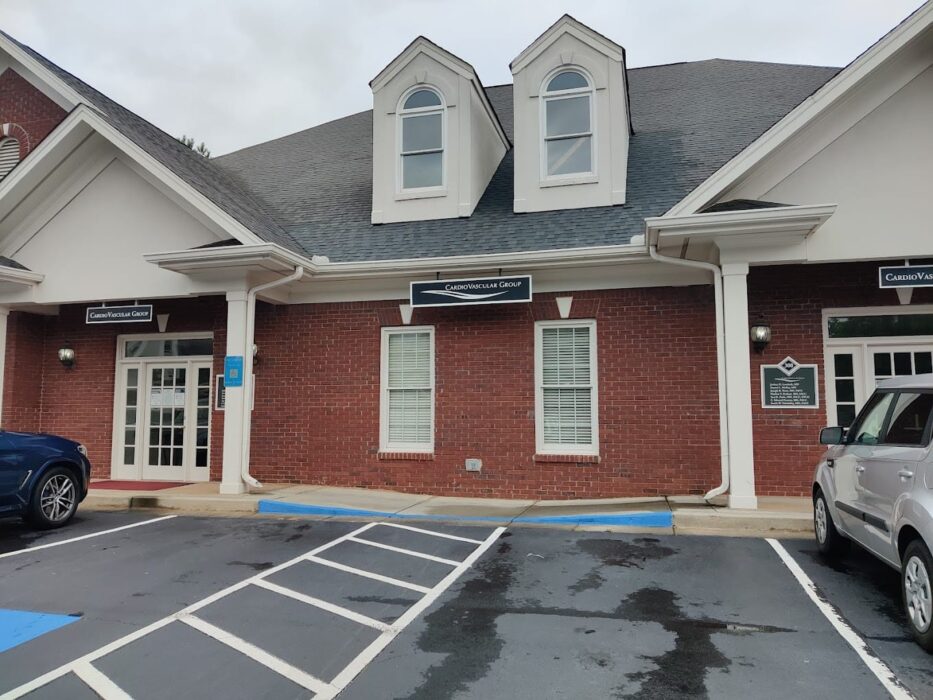
Cancer treatment can strain your heart. You may feel the risk when therapy saves one part of your body but stresses another.
We focus on cardio-oncology to protect your heart while you fight cancer. This care helps you stay strong through treatment and beyond.
Cancers that benefit most from cardio-oncology services include breast cancer, lymphoma, leukemia, lung cancer, and sarcoma, especially when treatment uses anthracyclines, HER2-targeted drugs, or chest radiation. We guide you before, during, and after treatment to track heart health and act early when changes appear.
You deserve care that fits your full health picture, not just your diagnosis. We align heart care with cancer care to reduce risks and support recovery.
Key Takeaways
- Some cancers and treatments place higher stress on the heart.
- Heart care tailored to cancer therapy lowers cardiac risk.
- Ongoing monitoring supports survivorship and long-term health.
Understanding Cardio-Oncology Services
Cardio-oncology services protect heart health before, during, and after cancer treatment. We track heart risks, adjust care plans, and coordinate treatment to reduce harm while cancer therapy continues.
The Role of Cardio-Oncology in Cancer Care
We focus on preventing and managing heart problems linked to cancer treatment. Many therapies affect the heart, blood vessels, or rhythm.
We assess risk early, monitor changes, and act fast when issues appear. We review a patient’s history, test heart function, and set a baseline.
During treatment, we watch for drops in heart strength, blood pressure changes, and rhythm problems. We adjust medications or timing to lower the risk.
Common Cardiovascular Risks During Cancer Treatment
Cancer treatments can stress the heart in specific ways. We watch for risks tied to the drug type, dose, and treatment length.
Common risks we monitor include:
| Risk | What We Look For |
| Weak heart muscle | Drop in pumping strength |
| High blood pressure | New or worsening readings |
| Heart rhythm issues | Irregular or fast beats |
| Blood clots | Swelling, pain, or shortness of breath |
Some risks start during treatment. Others appear months or years later.
We tailor monitoring based on the cancer type and therapy used. Early signs matter.
Shortness of breath, chest pain, or swelling needs quick review.
Cardio-Oncology Team Approach
We deliver care through a coordinated team. Cardiologists, oncologists, nurses, and pharmacists share updates and decisions.
This teamwork keeps care aligned and efficient. We create shared care plans that balance cancer control and heart safety.
We adjust drugs, manage side effects, and plan follow-up together. Clear communication prevents gaps in care.
Patients stay at the center of each decision. We explain risks, testing, and treatment steps in plain language.
Cancers Most Benefiting from Cardio-Oncology
Several cancers carry higher heart risks due to specific treatments and patient factors. We focus on cancers where close heart care improves safety during therapy and supports long-term heart health.
Breast Cancer and Cardiac Risk
Breast cancer often involves treatments that affect the heart, especially anthracyclines and HER2-targeted drugs. These therapies can weaken the heart muscle or lower pumping strength.
We monitor heart function before, during, and after treatment. Early changes often appear on imaging or blood tests before symptoms start.
Key cardiac concerns include:
- Reduced left ventricular function
- Heart failure risk with higher drug doses
- Added risk from radiation near the chest
We adjust cancer therapy when needed and manage blood pressure, cholesterol, and diabetes.
Lymphoma and Potential Cardiotoxicity
Lymphoma treatment often includes strong chemotherapy and chest radiation. These therapies raise the risk of heart damage, especially in younger patients and long-term survivors.
We focus on both short-term and delayed effects. Some heart problems appear years after treatment ends.
Common heart issues include:
- Weak heart muscle from anthracyclines
- Valve disease after chest radiation
- Early coronary artery disease
We track heart health with regular scans and risk checks. We also guide lifestyle changes and preventive care to reduce future heart disease.
Leukemia and Cardiovascular Complications
Leukemia treatments can affect heart rhythm, blood pressure, and blood flow. Some targeted drugs raise the risk of clots or heart rhythm problems.
We watch closely during active treatment, when risks change fast. Infections, anemia, and fluid shifts can stress the heart.
Important cardiac risks include:
- Irregular heartbeats
- Blood clots and stroke risk
- Heart strain from severe anemia
We coordinate care to manage these issues early.
Sarcoma-Linked Heart Concerns
Sarcoma treatment often requires high-dose chemotherapy. Many patients receive anthracyclines, which carry known heart risks.
We assess baseline heart strength and track changes over time. Younger patients may face long-term effects that need ongoing care.
Key areas of focus include:
- Cumulative drug dose limits
- Early signs of heart weakness
- Exercise tolerance and fatigue
We personalize heart monitoring and adjust treatment plans when needed.
High-Risk Cancer Treatments and Cardiotoxicity
Some cancer treatments place clear stress on the heart. We see a higher risk with certain drugs and with radiation near the chest.
Cardio-oncology care focuses on early risk checks, heart-safe planning, and close follow-up during treatment.
Anthracycline-Based Chemotherapy
Anthracyclines, such as doxorubicin, treat breast cancer, lymphoma, and leukemia. These drugs can weaken the heart muscle.
The risk rises with higher total doses and repeat treatment. We track heart function before and during therapy.
A simple echo helps us spot early changes. We may adjust doses or timing to protect the heart.
Key heart risks include:
- Lowered pumping strength
- Heart failure over time
- Irregular heartbeats
We also manage blood pressure and diabetes during care.
HER2-Targeted Therapies
HER2-targeted drugs, like trastuzumab, play a major role in HER2-positive breast cancer. These drugs can affect heart function, especially when combined with anthracyclines.
We plan to reduce overlap risk. We space treatments and monitor the heart at set intervals.
Most heart effects improve when we pause or adjust therapy.
What we monitor closely:
- Left ventricular ejection fraction (LVEF)
- New shortness of breath
- Swelling in the legs or ankles
Cardio-oncology teams help balance cancer control with heart safety.
Radiation Therapy Near the Heart
Radiation to the chest can affect the heart years later. This risk applies to breast cancer, lung cancer, and Hodgkin lymphoma.
Radiation may damage heart vessels, valves, or the heart lining. The left side of the chest carries a higher risk.
We work with radiation teams to limit heart exposure. Modern planning lowers the dose to the heart.
| Heart Areas Affected | Possible Issues |
| Coronary arteries | Blockages |
| Heart valves | Thickening |
| Pericardium | Inflammation |
Long-term follow-up matters. We screen for symptoms and manage risk factors like smoking and high cholesterol.
Personalized Cardiovascular Care for Cancer Patients
We tailor heart care to each patient based on cancer type, treatment plan, and heart health history. This approach helps us reduce heart problems while allowing cancer treatment to stay on track.
Risk Assessment and Stratification
We start by identifying who faces the highest heart risk during cancer care. We review medical history, current symptoms, and past heart events.
We also look at planned cancer drugs and radiation sites. We group patients into risk levels so care matches needs.
This step guides how often we monitor the heart and when we act early.
Key factors we assess include:
- Age and family heart history
- High blood pressure, diabetes, or high cholesterol
- Prior heart disease or stroke
- Cancer drugs are known to stress the heart
| Risk Level | Care Focus |
| Low | Routine checks |
| Moderate | Closer follow-up |
| High | Early prevention and frequent monitoring |
Pre-Treatment Cardiac Evaluation
We complete a heart check before cancer treatment begins. This step sets a clear baseline so we can spot changes early.
We often use simple tests such as an ECG, echocardiogram, and blood work. These tests show heart rhythm, pumping strength, and signs of stress.
If we find concerns, we act before treatment starts. We may adjust heart medicines, manage blood pressure, or suggest safer cancer drug options.
We also coordinate closely with the oncology team. This early planning supports safer treatment and fewer delays.
Long-Term Outcomes and Survivorship
Long-term care matters for people who receive cancer treatments that affect the heart. We track heart health over time and treat problems early to protect quality of life.
Surveillance for Late Cardiac Effects
Some cancer treatments raise the risk of heart problems years later. We watch for changes that may not cause symptoms at first.
Early detection helps us act before damage becomes permanent. We use a planned schedule based on cancer type and treatment history.
Common tools include echocardiograms, EKGs, and blood tests.
Key areas we monitor
- Heart-pumping strength
- Heart rhythm changes
- Blood pressure and cholesterol
- Signs of heart muscle or valve damage
We adjust testing over time. Higher-risk survivors need closer follow-up.
Lower-risk patients still benefit from routine checks. We share results clearly so patients understand what to watch for between visits.
Managing Chronic Cardiovascular Conditions Post-Treatment
Some survivors develop long-term heart conditions after cancer care. These include heart failure, high blood pressure, or coronary artery disease.
We manage these conditions with steady care plans. Treatment focuses on proven steps that reduce risk and symptoms.
We often combine medication with lifestyle guidance.
| Care Area | Common Actions |
| Medications | Control blood pressure and heart rate |
| Lifestyle | Support diet, activity, and weight goals |
| Care coordination | Align oncology and heart care plans |
We review medications to avoid drug interactions. We also adjust care as health needs change.
Future Directions in Cardio-Oncology
We continue to expand care as cancer treatments change. New research and better heart protection methods guide how we reduce risk and keep patients on therapy.
Emerging Research on Additional Cancer Types
We now study heart risk across more cancer types, not only breast and blood cancers. New data link cardiac stress to targeted and immune-based therapies used in solid tumors.
Recent studies focus on cancers with long treatment courses or repeat therapy. These patients face a higher lifetime heart risk.
Cancer types under active study include:
| Cancer Type | Cardiac Concern | Reason for Focus |
| Lung cancer | Heart failure, arrhythmia | Immune therapy use |
| Prostate cancer | Hypertension | Hormone therapy |
| Head and neck | Vascular disease | Radiation exposure |
| Ovarian cancer | Cardiomyopathy | Recurrent chemotherapy |
We track early markers like blood pressure, heart rhythm, and cardiac enzymes. This approach helps us detect damage sooner and adjust care without delay.
Innovations in Cardio-Protective Strategies
We now protect the heart before damage begins. Teams use early screening and risk scoring to guide care from day one.
Key advances include:
- Baseline heart imaging before therapy
- Routine use of low-dose heart medications
- Close monitoring with blood tests during treatment
We also tailor cancer dosing when heart strain appears.
Digital tools now support this work. Remote blood pressure checks and symptom tracking alert us to changes between visits.
These tools help us act fast and keep patients safer during treatment.
Conclusion: Coordinated Care Helps Protect Your Heart Through Cancer Treatment
Certain cancers and treatment plans can place added strain on the heart—especially when therapy involves anthracyclines, HER2-targeted medications, or radiation near the chest. That’s why cardio-oncology can be most valuable for patients facing cancers such as breast cancer, lymphoma, leukemia, lung cancer, and sarcoma, where cardiotoxicity risk is higher and monitoring can be essential. With early risk assessment, baseline testing, and ongoing follow-up, cardio-oncology helps detect changes in heart function before symptoms become severe. Most importantly, it supports a treatment plan that protects your long-term cardiovascular health while helping you stay on track with your cancer care and survivorship goals.
If you’re preparing for cancer treatment or want to understand how therapy may affect your heart, Cardiovascular Group (CVG Cares) offers expert cardio-oncology evaluation, advanced monitoring, and compassionate support tailored to your care plan.