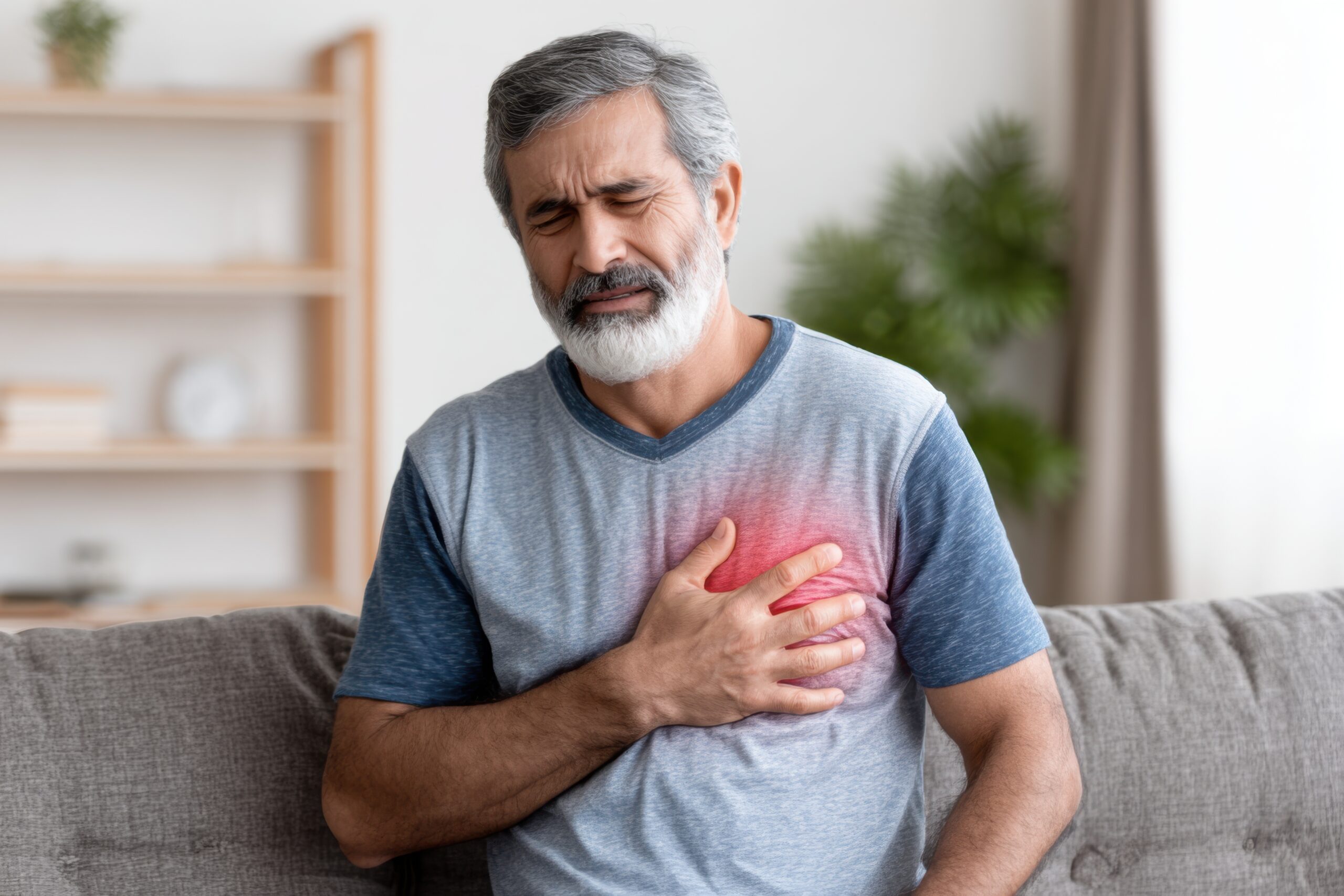
Extreme fatigue and shortness of breath can disrupt daily life and raise real concern. When simple tasks leave you worn out or gasping, you may wonder if your heart plays a role. We see these symptoms often, and they deserve careful attention.
Yes, extreme fatigue and shortness of breath can signal a heart issue, especially when they appear together or worsen over time. When the heart struggles to pump blood well, the body gets less oxygen, and fluid can build up in the lungs. You may notice swelling, weight changes, coughing, or a fast heartbeat along with low energy.
We guide you through what these signs mean and when to act. You will learn how heart conditions connect to breathing problems and deep fatigue, what other changes to watch for, and how care teams check and track heart health. Our goal is to help you recognize risk early and seek the right care.
Key Takeaways
- Ongoing fatigue and shortness of breath can point to heart trouble.
- Extra symptoms like swelling or a fast pulse add concern.
- Early medical care helps clarify causes and next steps.
Understanding Extreme Fatigue and Shortness of Breath
Extreme fatigue and shortness of breath often share a common cause when the heart struggles to meet the body’s needs. We explain how heart’s function affects energy and breathing, how to spot concerning signs, and who faces a higher risk.
How the Heart Affects Energy and Breathing
The heart pumps oxygen-rich blood to muscles and organs. When it cannot pump well, the body gets less oxygen. This shortage leads to fatigue, weakness, and shortness of breath.
Breathing problems may feel like dyspnea, or the sense that air runs out during simple tasks. Fluid can also build up in the lungs when blood backs up. That buildup makes breathing harder, especially during activity or when lying flat.
Low blood flow forces the body to save energy. Muscles tire fast, daily tasks feel heavy, and rest does not fully restore strength. These changes often point to heart disease, especially when symptoms persist or worsen.
Difference Between Normal and Concerning Symptoms
Tiredness after a long day or brief breathlessness during exercise can be normal. Heart-related symptoms tend to last longer and limit routine activity.
Key differences to watch for:
| Normal | Concerning |
| Improves with rest | Persists despite rest |
| Only during hard effort | Occurs with light activity |
| No swelling | Swelling in the legs or feet |
| Steady weight | Sudden weight gain |
Concerning signs often come in clusters. Fatigue may pair with dyspnea, chest pressure, or a fast heartbeat. Sleep may worsen breathing, and simple chores may feel exhausting. These patterns raise concern for a heart cause and deserve prompt medical review.
Who Is at Risk for Heart-Related Fatigue
Some people face a higher risk for fatigue and shortness of breath tied to heart disease. Age over 60 increases risk, as do high blood pressure and diabetes. Smoking, obesity, and high cholesterol also strain the heart.
A history of heart attack, valve disease, or rhythm problems matters. Family history counts too. Certain medicines and long-term lung disease can add stress and worsen symptoms.
We also see a higher risk when symptoms change fast. New weakness, rising dyspnea, or sudden swelling signal a need for care. Early attention helps protect heart function and daily quality of life.
Key Warning Signs of Heart Issues
Heart problems often show clear patterns that affect breathing, energy, and heart rhythm. We focus on signs that point to heart failure, changes that signal worsening heart failure, and symptoms that need fast medical care.
Recognizing Heart Failure Symptoms
Heart failure limits how well the heart pumps blood. Common symptoms of heart failure include shortness of breath during activity or at rest, extreme fatigue, and swelling in the feet, ankles, or legs.
A persistent cough or wheezing can appear, sometimes with white or pink mucus. Many people notice rapid weight gain from fluid buildup. Others feel full, lose their appetite, or feel nauseated.
Mental changes matter too. Confusion, poor focus, dizziness, and lightheadedness can occur when blood flow drops. These signs often affect daily tasks like walking, shopping, or climbing stairs.
Watch for these early signs:
- Breathlessness, especially when lying flat
- Ongoing fatigue and weakness
- Swelling in the lower body
- Persistent cough
- Trouble thinking clearly
Identifying Worsening Heart Failure
Worsening heart failure brings faster and stronger symptoms. Shortness of breath may start at rest or wake someone up at night. Swelling may spread to the stomach or hands.
Sudden weight gain over a few days often signals fluid retention. A faster heart rate or irregular heartbeat can appear as the heart tries to keep up.
Changes in alertness matter. Increased confusion, dizziness, or fainting suggests reduced blood flow to the brain. These changes raise the risk of serious events, including stroke.
| Red Flags | What They Suggest |
| Rapid weight gain | Fluid buildup |
| Night breathlessness | Lung fluid |
| New confusion | Low brain blood flow |
Chest Pain, Palpitations, and Related Signs
Chest pain needs prompt attention, especially if it spreads to the arm, jaw, or back. Pain with shortness of breath, sweating, or nausea raises concern for heart disease.
Heart palpitations feel like racing, fluttering, or pounding. An irregular heart rhythm, also called arrhythmia, can cause dizziness, lightheadedness, or fainting.
A rapid or uneven pulse with breathlessness may signal worsening heart stress. Seek urgent care if chest pain, fainting, or severe shortness of breath occurs. These warning signs of heart disease require quick evaluation to reduce harm.
Heart Conditions Associated with Fatigue and Breathing Problems
Several heart conditions can limit blood flow or disrupt normal rhythm. These problems often lead to extreme fatigue, shortness of breath, and other heart failure symptoms during daily activity or rest.
Heart Failure and Congestive Heart Failure
Heart failure happens when the heart cannot pump enough blood to meet the body’s needs. In congestive heart failure, fluid builds up in the lungs and tissues. This buildup often causes breathing problems and swelling.
When the left ventricle weakens, blood backs up into the lungs. This can lead to pulmonary edema, which makes breathing hard, especially when lying flat. Many people feel tired even after mild activity.
Common signs we watch for include:
- Shortness of breath during activity or rest
- Swollen feet, ankles, or legs
- Sudden weight gain from fluid
- Ongoing fatigue
These heart failure symptoms often worsen over time without care.
Arrhythmias and Irregular Heart Rhythm
An arrhythmia occurs when the heart beats too fast, too slow, or unevenly. This change can reduce how well the heart moves blood. As a result, the body may not get enough oxygen.
People with irregular heart rhythm may feel sudden fatigue or breathlessness. Some notice fluttering, racing, or skipped beats. Others feel lightheaded or weak during simple tasks.
Key effects of arrhythmias include:
- Reduced blood flow to the brain and muscles
- Shortness of breath with mild effort
- Rapid or uneven heartbeat
Even brief rhythm changes can trigger symptoms, especially in older adults or those with other heart diseases.
Cardiomyopathy and Other Heart Disorders
Cardiomyopathy refers to a disease of the heart muscle. The muscle may become thick, stiff, or enlarged. These changes limit how well the heart fills or pumps.
As the heart weakens, fatigue becomes constant. Breathing problems may appear during activity or at night. Some forms also raise the risk of heart failure or arrhythmia.
Other heart disorders can cause similar issues, such as valve disease or long-term high blood pressure. We often see overlapping symptoms, including:
- Low exercise tolerance
- Shortness of breath
- Swelling from fluid retention
Early evaluation helps clarify the cause and guide treatment.
Secondary Symptoms and Physical Changes
Extreme fatigue and shortness of breath often come with body changes that point to heart strain. These changes affect fluid balance, weight, and digestion, and they can appear slowly or all at once.
Swelling and Edema
Swelling, also called edema, often shows up in the feet, ankles, legs, or abdomen. We see this when the heart cannot move blood forward with enough force. Fluid then leaks from blood vessels into nearby tissue.
Edema may feel tight or painful. Shoes or rings may not fit by the end of the day. Some people notice swelling worse at night or after standing for long periods.
Common swelling patterns include:
- Feet and ankles after sitting or standing
- Legs and calves during the evening
- Abdomen with a full or stretched feeling
Sudden or fast swelling matters. It can signal fluid buildup that needs medical care.
Weight Gain and Loss of Appetite
Unplanned weight gain often comes from fluid retention, not extra body fat. We may see several pounds added over a few days. This change can happen even when eating habits stay the same.
At the same time, some people report a loss of appetite. Fluid buildup around the liver and stomach can cause early fullness. Meals may feel uncomfortable or hard to finish.
Warning signs to track include:
- Weight gain of 2–3 pounds in one day
- Weight gain of 5 pounds in one week
- Reduced interest in food
Daily weight checks help spot fluid changes early.
Nausea, Indigestion, and Related Symptoms
Nausea and indigestion can be linked to reduced blood flow to the digestive system. When the heart struggles, digestion slows. This can cause bloating, gas, or a sick feeling after eating.
Some people feel stomach pain or pressure. Others notice nausea without vomiting. These symptoms often worsen with fluid retention or after large meals.
Digestive symptoms tied to heart issues may include:
- Nausea or upset stomach
- Indigestion or heartburn
- Abdominal bloating
These signs often appear with fatigue or swelling. Persistent digestive changes deserve attention, especially when they occur together.
When to Seek Medical Attention
Extreme fatigue and shortness of breath can signal stress on the heart. Certain patterns, triggers, and body changes help us decide when care should not wait.
Evaluating Sudden or Severe Symptoms
We treat sudden or severe symptoms as urgent. Call emergency services if shortness of breath starts fast, worsens at rest, or wakes you at night. Chest discomfort, pressure, or pain that spreads to the arm, jaw, or back raises concern for angina or a heart attack.
Seek help right away if symptoms come with fainting, dizziness, confusion, or blue lips or fingers. Trouble breathing when lying flat, rapid weight gain from swelling, or coughing up pink or white mucus also need quick care.
Get urgent care now if you have:
- New or worsening chest discomfort
- Breathlessness that does not improve with rest
- Fast or irregular heartbeat with weakness
Importance of Early Detection
We encourage early evaluation when symptoms repeat or limit daily tasks. Shortness of breath during light activity, extreme fatigue, or swelling in the feet and ankles can reflect reduced heart function. Early care helps protect heart health and may prevent hospital stays.
Report changes such as needing more pillows to sleep, reduced appetite, or sudden weight changes. These signs can point to fluid buildup or poor blood flow. A prompt visit allows testing, medication changes, and lifestyle steps that reduce risk.
Track and report:
- Daily weight changes
- Activity limits due to fatigue
- New chest discomfort or angina patterns
Differences in Symptoms Based on Age and Gender
We see symptoms vary by age and gender. Older adults may show confusion, falls, or loss of appetite instead of chest pain. Shortness of breath or fatigue may be the main warning.
Women often report nausea, jaw or back pain, and unusual tiredness rather than classic chest pressure. Men more often describe chest discomfort or pain with exertion, but this is not universal.
Younger adults may dismiss symptoms as stress or anxiety. We advise care when breathlessness or fatigue appear with exercise intolerance, palpitations, or chest discomfort. Early attention supports long-term heart health for every age group.
Diagnosis, Monitoring, and What to Expect
Extreme fatigue and shortness of breath can point to heart disease, especially when they appear with swelling, chest discomfort, or rapid weight gain. We focus on clear diagnosis, steady monitoring, and direct steps to address warning signs of heart disease.
Medical Evaluation and Diagnostic Tests
We start with a detailed medical history and a physical exam. We ask about symptoms, daily limits, and family history of heart disease. We check blood pressure, heart rate, lung sounds, and leg swelling.
Common tests help confirm a diagnosis and show severity:
- Blood tests to check anemia, infection, kidney function, and heart strain
- Electrocardiogram (ECG) to spot rhythm problems or past heart injury
- Echocardiogram to see heart size, strength, and valve function
- Chest X-ray to look for fluid in the lungs
- Stress testing when safe, to measure response to activity
We use results together, not alone. This approach reduces missed warning signs of heart disease.
Ongoing Management and Monitoring
After diagnosis, we track symptoms and test results over time. We set clear goals for breathing, energy, and daily activity. Regular visits help us adjust care early.
Monitoring often includes:
- Home weight checks to catch fluid buildup
- Blood pressure and heart rate tracking
- Follow-up labs or imaging when symptoms change
We also review medicines at each visit to avoid side effects and drug overlap. Many patients keep a simple log of symptoms, sleep, and activity. This record helps us act fast when fatigue or shortness of breath worsens.
Addressing Underlying Causes
We target the root causes, not just symptoms. High blood pressure, blocked arteries, diabetes, and valve disease often drive heart disease. Treating these lowers the strain on the heart.
Our plan may include:
| Cause | Common Actions |
| High blood pressure | Diet changes, daily medicine |
| Blocked arteries | Cholesterol control, procedures |
| Rhythm problems | Rate control, rhythm treatment |
We also address sleep apnea, smoking, and excess salt. Small changes can reduce warning signs of heart disease and improve daily function.
Conclusion: Persistent Fatigue and Breathlessness Shouldn’t Be Ignored
Extreme fatigue paired with shortness of breath is more than just feeling run down—it can be a sign that the heart is struggling to meet the body’s demands. When the heart cannot pump blood efficiently, oxygen delivery to muscles and organs is reduced, leading to exhaustion, breathlessness during routine activities, or difficulty recovering after exertion. These symptoms are commonly associated with conditions such as heart failure, valve disease, coronary artery disease, or rhythm disorders, but they’re often mistaken for stress, aging, or poor sleep. Paying attention to changes in energy levels, activity tolerance, and breathing patterns is critical. Early evaluation can identify the cause, prevent progression, and help restore strength, stamina, and quality of life.
If you’re experiencing ongoing fatigue, shortness of breath, or a noticeable decline in energy, Cardiovascular Group (CVG Cares) offers comprehensive heart evaluations and personalized care to help identify the cause and support your long-term heart health.